[ad_1]
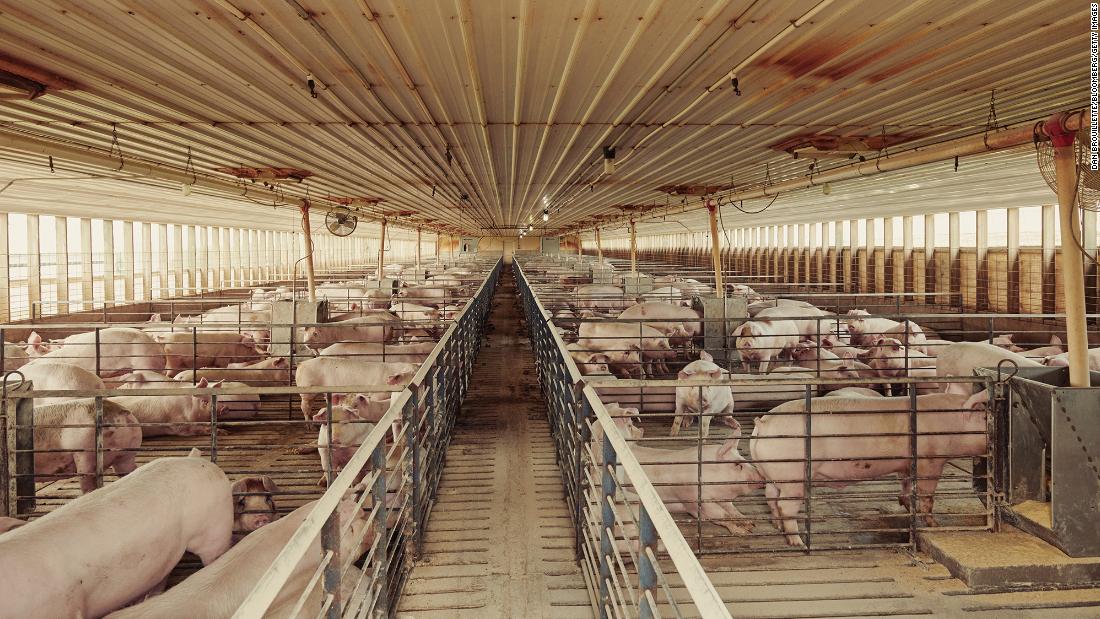
In many ways, the global meat supply chain is similarly miraculous. We’ve made technological advancements that allowed for the production and distribution of meat more safely, quickly and efficiently than people ever thought possible just a few generations ago.
These advancements were necessary to keep up with consumer demand, which has
grown rapidly due to trends like urbanization and rising incomes. Whereas in the past, meat was an occasional luxury, today it is more widely accessible and affordable, and people around the world have made beef, pork and chicken a regular part of their diet.
That’s why, when the Covid-19 pandemic caused retail shortages earlier this year, it caught the world off guard. Shoppers arrived at grocery stores to find meat aisles empty or extreme
price hikes on protein. Some diners went to restaurants to find their favorite burger unavailable.
The truth is, this pandemic has exposed vulnerabilities in the meat supply chain that are challenging our food system like never before. Meeting consumer demand responsibly, especially during times of crisis, will require the industry to make three key commitments.
We must keep workers safe
A primary cause of North American meat shortages was the temporary
closure of meat processing plants after employees fell ill with Covid-19. I cannot state this more plainly: We must implement measures to protect these essential workers. Companies must ensure their employees know and feel that their workplaces are safe.
This work is well underway. Meat processors are acting on
interim guidance from the Centers for Disease Control and Prevention (CDC) and Occupational Safety and Health Administration (OSHA) — providing employees personal protective equipment, installing socially distant work stations, changing staffing models and strengthening paid sick leave policies. But the key word here is interim. We’re still learning about Covid-19 and its transmission, and there’s still so much we don’t know.
We cannot take the pedal off the gas. Measures ensuring the health and well-being of workers must continue to evolve. Industry, in close partnership with government, must lead and base their decisions upon the best available science. The mandate to evolve also applies across the entire meat supply chain — including farmers, processors, distributors, retailers and restaurants.
At McDonald’s, we have updated
nearly 50 safety processes in our restaurants, but we recognize this is the beginning of a long journey. We will continue to partner closely with health authorities to modify operations as needed, and we expect our suppliers to do the same.
We must tap into local and global resources
Covid-19 shone a spotlight on the tightness of processing capacity within the meat supply chain.
Compared to a generation ago, there are fewer but much more efficient operations capable of producing greater…
[ad_2]
Read More: McDonald’s exec: The Covid-19 meat shortages taught us all an important